ইউ এস বাংলা নিউজ ডেক্স
আরও খবর
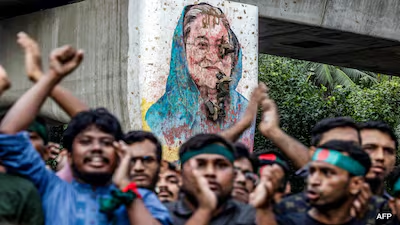
“Highly Inaccurate”: Sheikh Hasina On UN Report On Bangladesh Protest Death Count

17 April: Mujibnagar Day — A Defining Moment in Bangladesh’s Liberation Struggle

Attack on Humanitarian Physician Professor Dr. Kamrul Islam by BNP Leader — Has the Country Become a Safe Haven for Thugs?
How Long Will People Remain Imprisoned Without Trial?
The International Crimes Tribunal Has Turned into a Machine for Illicit Money
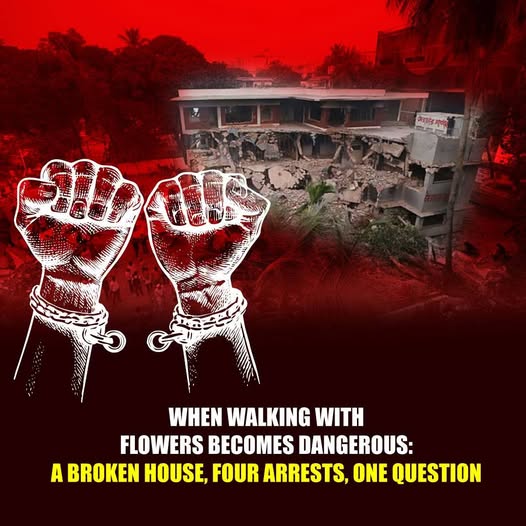
When Walking with Flowers Becomes Dangerous: A Broken House, Four Arrests, One Question

Poverty didn’t go to the museum — it went into people’s homes
When The State Becomes A Personal Project
 ইউ এস বাংলা এর সর্বশেষ খবর পেতে Google News ফিডটি অনুসরণ করুন
Bangladesh is watching something more corrosive than a routine change in power. What’s reportedly taking shape is a shift in how power is used: not as a public trust, but as a private instrument.
An interim administration is supposed to be temporary, restrained, and constitutionally disciplined. It is meant to keep the machinery of the state neutral until people can decide the country’s future at the ballot box. But when an unelected authority is perceived to have taken power unlawfully or unconstitutionally and then proceeds to deliver a chain of benefits that consistently favour one individual and his close allies, the
country isn’t being “stabilised." It is being quietly re-engineered. And here’s what that really means: the state becomes smaller for the ordinary citizen and larger for the connected few. Justice becomes negotiable. Regulation becomes selective. Public assets become bargaining chips. The final bill lands where it always lands — on the common people.
country isn’t being “stabilised." It is being quietly re-engineered. And here’s what that really means: the state becomes smaller for the ordinary citizen and larger for the connected few. Justice becomes negotiable. Regulation becomes selective. Public assets become bargaining chips. The final bill lands where it always lands — on the common people.

সর্বাধিক পঠিত