ইউ এস বাংলা নিউজ ডেক্স
আরও খবর
How Long Will People Remain Imprisoned Without Trial?
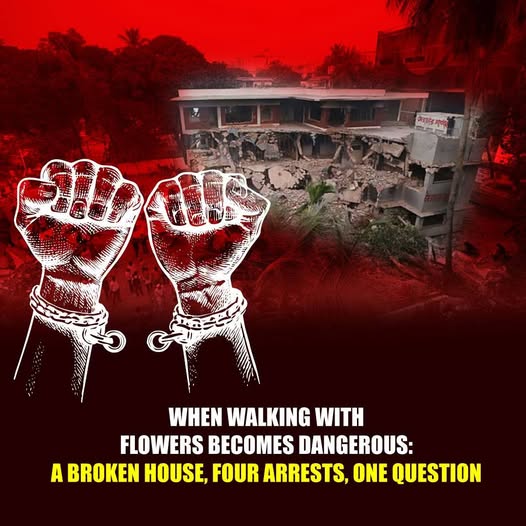
When Walking with Flowers Becomes Dangerous: A Broken House, Four Arrests, One Question

Poverty didn’t go to the museum — it went into people’s homes
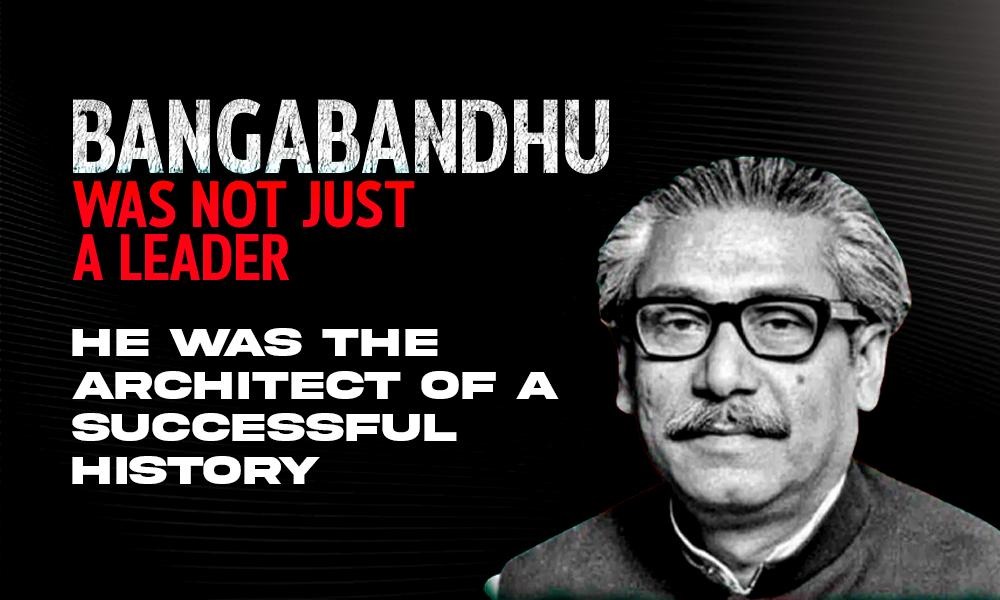
Bangabandhu Was Not Just a Leader – He Was the Architect of a Successful History
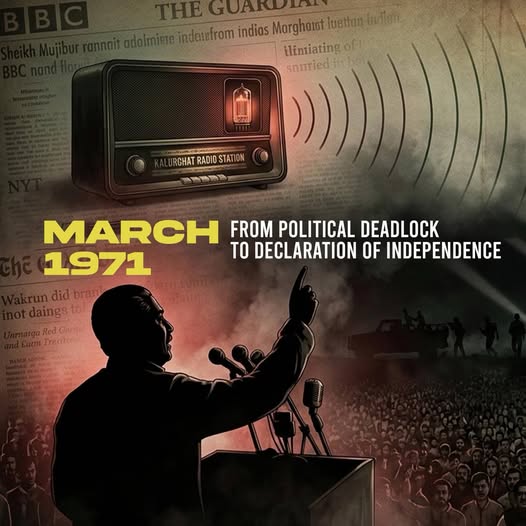
March 1971: From Political Deadlock to Declaration of Independence
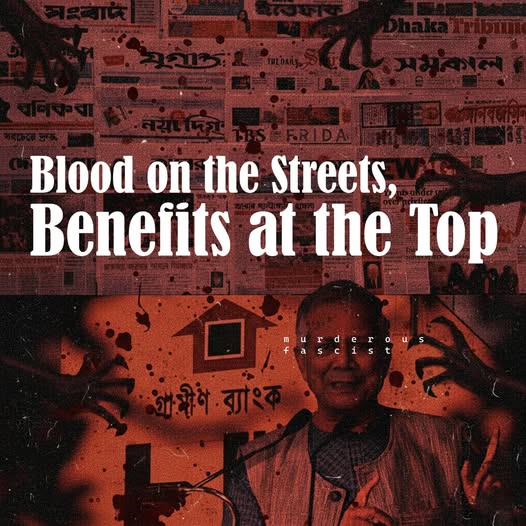
Blood on the Streets, Benefits at the Top
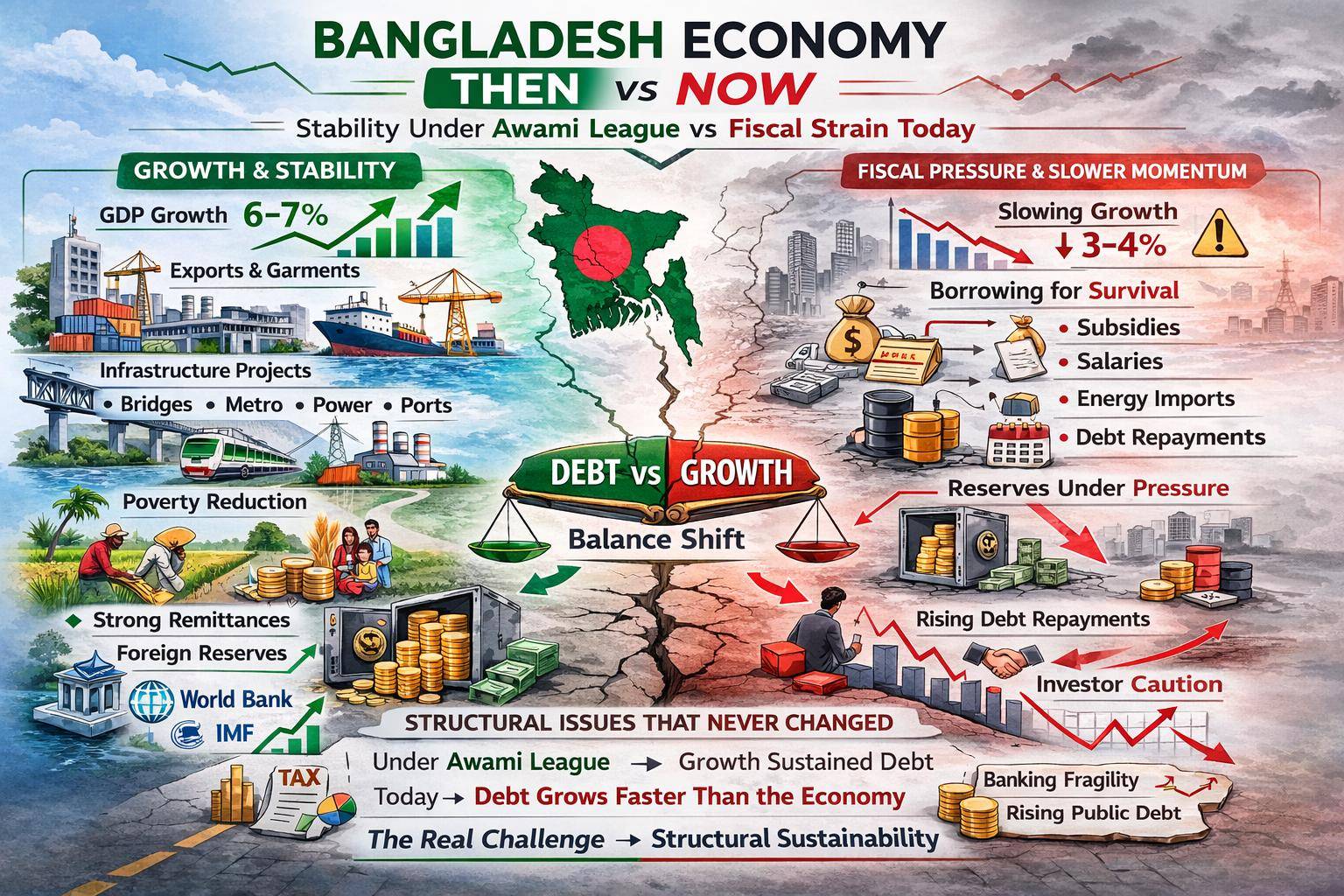
Bangladesh Economy Then vs Now – Stability Under Awami League vs Fiscal Strain Today
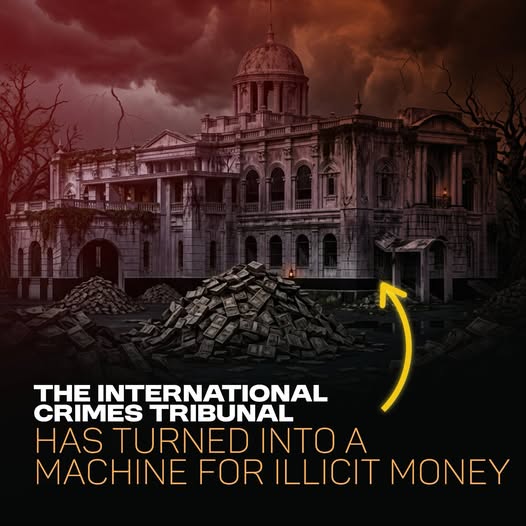
The International Crimes Tribunal Has Turned into a Machine for Illicit Money
 ইউ এস বাংলা এর সর্বশেষ খবর পেতে Google News ফিডটি অনুসরণ করুন
The International Crimes Tribunal (ICT), established in the aftermath of the July–August riots, is now facing serious controversy amid allegations of corruption, unconstitutional appointments, and political bias. Claims of bribery within the prosecution panel, attempts to turn accused individuals into state witnesses, and irregularities in the judicial process have raised fundamental questions about the tribunal’s moral credibility.
Recently, allegations surfaced against ICT prosecutor Md. Saimum Reza Talukder, who was accused of demanding a bribe of 10 million taka in exchange for securing the acquittal of former Awami League Member of Parliament A.B.M. Fazle Karim Chowdhury. A WhatsApp audio recording leaked to
the media reportedly captured him asking for an advance payment of 1 million taka in cash. Following the allegations, Talukder resigned from his position, further intensifying the controversy surrounding the tribunal’s operations. Meanwhile, Chief Prosecutor Mohammad Tajul Islam has been removed from his position. According to sources, the decision came after allegations of large financial transactions in exchange for turning several accused individuals, including a former Inspector General of Police (IGP), into state witnesses. The accusations were publicly raised by ICT prosecutor B.M. Sultan Mahmud in a social media post, where he alleged misconduct by Chief Prosecutor Tajul Islam. Following the public
disclosure, Tajul Islam was removed in an apparent effort to protect the tribunal’s reputation. According to Sultan Mahmud, there were plans for financial transactions amounting to billions of taka in order to make former IGP Chowdhury Abdullah Al-Mamun, arrested over deaths during the July–August riots, a state witness. He alleged that a syndicate led by Chief Prosecutor Tajul Islam and Supreme Court lawyer Shishir Monir attempted to implement this plan from the investigation agency’s office in Dhanmondi. He further claimed that lawyer Shishir Monir was regularly present at the Dhanmondi investigation office during the interrogation of the former IGP. Mahmud also alleged
that “notorious police officers accused of murder were allowed to escape safely instead of being arrested, while the Chief Prosecutor’s office was used as a tool for financial gain.” Mahmud also alleged that in late November last year, the wife of an accused person in the Ashulia van-burning case, where bodies were allegedly burned in a vehicle, entered the office of prosecutor Gazi Monawar Hossain Tamim carrying a “heavy bag.” Despite informing the Chief Prosecutor about the incident, no action was taken, he claimed. The accused, Afzal, was later made a state witness and eventually acquitted in the final verdict. He further
alleged that SI Ashraful, despite the existence of video evidence showing him firing on students and civilians at Chankharpul, was made a witness instead of being listed as an accused. Similarly, in the Abu Sayeed murder case in Rangpur, several witnesses reportedly mentioned the name of AC Imran in court, yet he was allegedly granted exemption. Questions have also been raised about the tribunal’s legal foundation. Critics argue that amendments made to the ICT law after 5 August 2024 were enacted through ordinances. Under Article 93 of the Constitution, the President may issue ordinances only when Parliament is dissolved. Critics claim
that the proper constitutional procedure was not followed in this instance. Concerns have also been raised about the appointment of tribunal judges. Allegations suggest that judges were appointed in violation of Article 98 of the Constitution. Critics say several judges were confirmed hastily despite lacking experience in international criminal law. Observers also believe political considerations played a role in forming the prosecution panel. Mohammad Tajul Islam, appointed as chief prosecutor, had previously served as the lead lawyer for war crimes defendants. Some believe his appointment may have been linked to political retaliation. Meanwhile, investigators have reportedly been instructed to complete investigation against former
Prime Minister Sheikh Hasina and 46 others within just one month. Analysts argue that ordering such a large and complex investigation to be completed within such a short time raises serious questions about the fairness and credibility of the judicial process. Although Bangladesh is a member of the Rome Statute, critics also question why the government has not pursued proceedings at the International Criminal Court (ICC) and instead opted for a domestic tribunal. According to analysts, if international standards of justice are not maintained, the tribunal could face significant international scrutiny and potentially damage the country’s global reputation. Analysts say that internal conflicts within the prosecution panel, allegations of bribery, and claims of procedural irregularities have plunged the International Crimes Tribunal into a major crisis of public confidence.
the media reportedly captured him asking for an advance payment of 1 million taka in cash. Following the allegations, Talukder resigned from his position, further intensifying the controversy surrounding the tribunal’s operations. Meanwhile, Chief Prosecutor Mohammad Tajul Islam has been removed from his position. According to sources, the decision came after allegations of large financial transactions in exchange for turning several accused individuals, including a former Inspector General of Police (IGP), into state witnesses. The accusations were publicly raised by ICT prosecutor B.M. Sultan Mahmud in a social media post, where he alleged misconduct by Chief Prosecutor Tajul Islam. Following the public
disclosure, Tajul Islam was removed in an apparent effort to protect the tribunal’s reputation. According to Sultan Mahmud, there were plans for financial transactions amounting to billions of taka in order to make former IGP Chowdhury Abdullah Al-Mamun, arrested over deaths during the July–August riots, a state witness. He alleged that a syndicate led by Chief Prosecutor Tajul Islam and Supreme Court lawyer Shishir Monir attempted to implement this plan from the investigation agency’s office in Dhanmondi. He further claimed that lawyer Shishir Monir was regularly present at the Dhanmondi investigation office during the interrogation of the former IGP. Mahmud also alleged
that “notorious police officers accused of murder were allowed to escape safely instead of being arrested, while the Chief Prosecutor’s office was used as a tool for financial gain.” Mahmud also alleged that in late November last year, the wife of an accused person in the Ashulia van-burning case, where bodies were allegedly burned in a vehicle, entered the office of prosecutor Gazi Monawar Hossain Tamim carrying a “heavy bag.” Despite informing the Chief Prosecutor about the incident, no action was taken, he claimed. The accused, Afzal, was later made a state witness and eventually acquitted in the final verdict. He further
alleged that SI Ashraful, despite the existence of video evidence showing him firing on students and civilians at Chankharpul, was made a witness instead of being listed as an accused. Similarly, in the Abu Sayeed murder case in Rangpur, several witnesses reportedly mentioned the name of AC Imran in court, yet he was allegedly granted exemption. Questions have also been raised about the tribunal’s legal foundation. Critics argue that amendments made to the ICT law after 5 August 2024 were enacted through ordinances. Under Article 93 of the Constitution, the President may issue ordinances only when Parliament is dissolved. Critics claim
that the proper constitutional procedure was not followed in this instance. Concerns have also been raised about the appointment of tribunal judges. Allegations suggest that judges were appointed in violation of Article 98 of the Constitution. Critics say several judges were confirmed hastily despite lacking experience in international criminal law. Observers also believe political considerations played a role in forming the prosecution panel. Mohammad Tajul Islam, appointed as chief prosecutor, had previously served as the lead lawyer for war crimes defendants. Some believe his appointment may have been linked to political retaliation. Meanwhile, investigators have reportedly been instructed to complete investigation against former
Prime Minister Sheikh Hasina and 46 others within just one month. Analysts argue that ordering such a large and complex investigation to be completed within such a short time raises serious questions about the fairness and credibility of the judicial process. Although Bangladesh is a member of the Rome Statute, critics also question why the government has not pursued proceedings at the International Criminal Court (ICC) and instead opted for a domestic tribunal. According to analysts, if international standards of justice are not maintained, the tribunal could face significant international scrutiny and potentially damage the country’s global reputation. Analysts say that internal conflicts within the prosecution panel, allegations of bribery, and claims of procedural irregularities have plunged the International Crimes Tribunal into a major crisis of public confidence.

সর্বাধিক পঠিত
এক্স নিয়ে মাহির ভিডিও পোস্ট!
‘দুর্নীতির বরপুত্র’ সারওয়ার কানাডা পালিয়েছেন
নিউইয়র্কে বিএনপি-জামাতকে রুখে দিল সাংস্কৃতিক কর্মীরা
মমতাকে কাশ্মীরে যাওয়ার আমন্ত্রণ ওমরের
নিউইয়র্কে ক্লাবে বন্দুকধারীর গুলি, নিহত ৩
ট্রাম্প-জেলেনস্কির বৈঠকে যোগ দিচ্ছেন জার্মানি ও ইইউ নেতারাও
বাংলাদেশের আমদানির ঘোষণায় চালের দাম বাড়লো ভারতে